What Happened to the Ancient Library of Nalanda?
Forgotten Pages – The Aiza
Imagine a library so vast that when it caught fire, it didn’t burn out in a day, or a week. It burned for months.
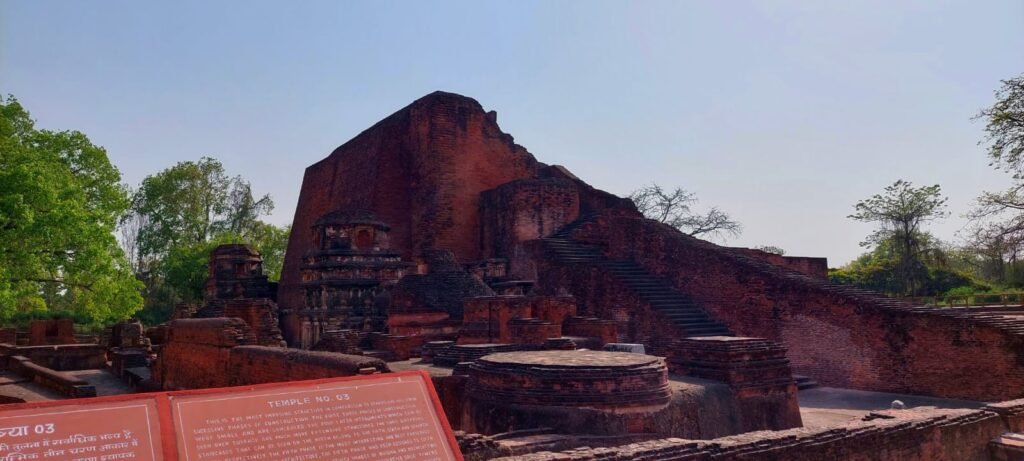
That’s the story people tell about Nalanda, once one of the greatest centers of learning the world has ever known, tucked away in what is now the Indian state of Bihar. Long before “university” was even a word anywhere, Nalanda was already teaching thousands of students from across Asia. And then, one day, it simply stopped existing.
This is the story of what it was, what happened to it, and why it still matters today.
A University Before the Word Existed
Nalanda wasn’t just a school. It was closer to a small city built entirely around learning.
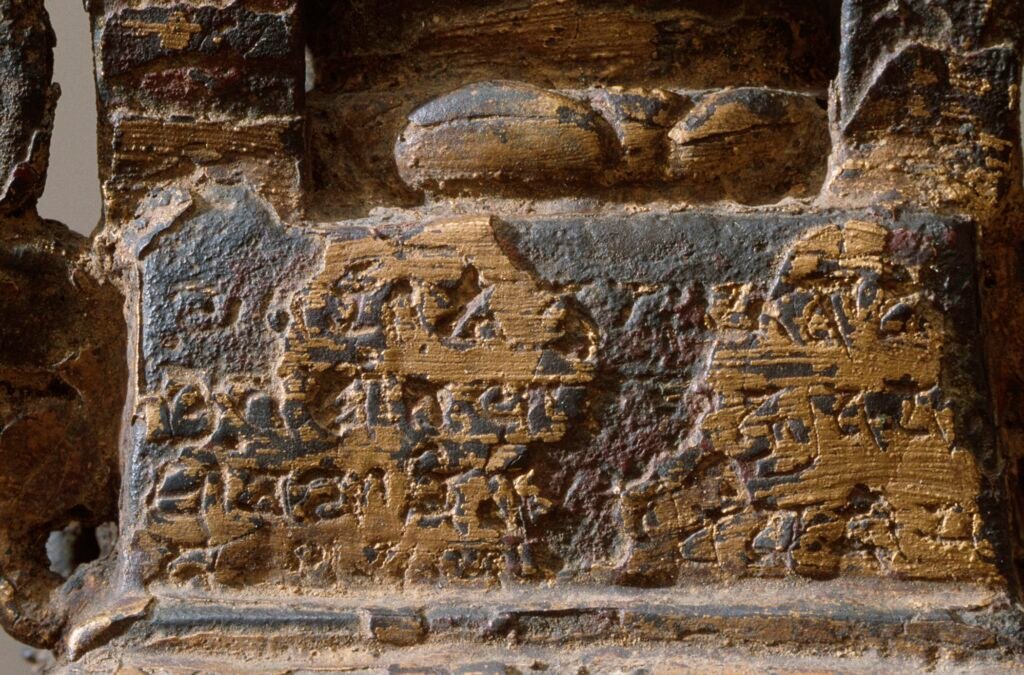
Founded around the 5th century CE, it grew into a sprawling Buddhist monastic university that, at its peak, is believed to have housed thousands of students and teachers at once. People didn’t just come from nearby villages, they traveled from Korea, China, Tibet, Central Asia, and beyond, walking for months just to study there.
What did they study?
Almost everything. Buddhist philosophy, yes, but also medicine, logic, astronomy, mathematics, grammar, and public debate. Admission wasn’t easy, legend says gatekeepers would question and challenge prospective students before letting them in, the way an entrance exam might today.
At the heart of the university stood its library, a complex so massive it reportedly had its own name: Dharma Gunj, meaning “Mountain of Truth” or “Mountain of Knowledge.”
It’s said to have spanned multiple buildings, several stories tall, holding hundreds of thousands of manuscripts on palm leaves, handwritten copies of centuries of human thought, much of which existed nowhere else in the world.
The Fire
The popular story goes like this: in 1193 CE, a military commander named Bakhtiyar Khilji, leading a Turkic cavalry force, attacked Nalanda. The university was burned, its monks and scholars killed or scattered, and its library set ablaze, a fire so fed by manuscripts that it is said to have smoldered for months, maybe longer.
This is the version most people grow up hearing, and it captures something real: a devastating loss of knowledge and life, and the end of a Buddhist institution that had thrived for over 700 years.
But here’s the part that rarely gets told, and it’s worth telling, because it’s what makes history worth revisiting in the first place: historians actually disagree on important parts of this story.
Some scholars point out that the era’s own written records are inconsistent. A few chronicles from that time describe the attack in detail. Others including accounts from Tibetan Buddhist scholars who were specifically documenting Nalanda’s history, don’t mention this event at all. Some historians argue that Nalanda’s decline was already underway before 1193, worn down gradually by reduced royal patronage, shifting religious and political power, and the slow fading of Buddhism’s influence in the region, rather than ending in one dramatic night of fire.
We may never know the full, precise truth. What we do know for certain is this: by the late 12th or early 13th century, one of the greatest libraries the world had ever built was gone. And with it went knowledge that no one alive today will ever get to read.
What We Actually Lost
It’s hard to overstate what disappeared. We’re not talking about a few old books. We’re talking about a repository that may have held original, one-of-a-kind manuscripts, texts on medicine, mathematics, astronomy, and philosophy that existed in only that one copy, in that one building.
Some of it survives indirectly. Buddhist monks who had studied at Nalanda carried translated texts and teachings back to Tibet, China, and Southeast Asia before the destruction, meaning fragments of that knowledge live on in other traditions today. But the vast majority of what stood in that library, centuries of accumulated human thought, is simply gone. Not lost in an archive somewhere, not waiting to be rediscovered. Gone.
Why a Ruin Still Matters
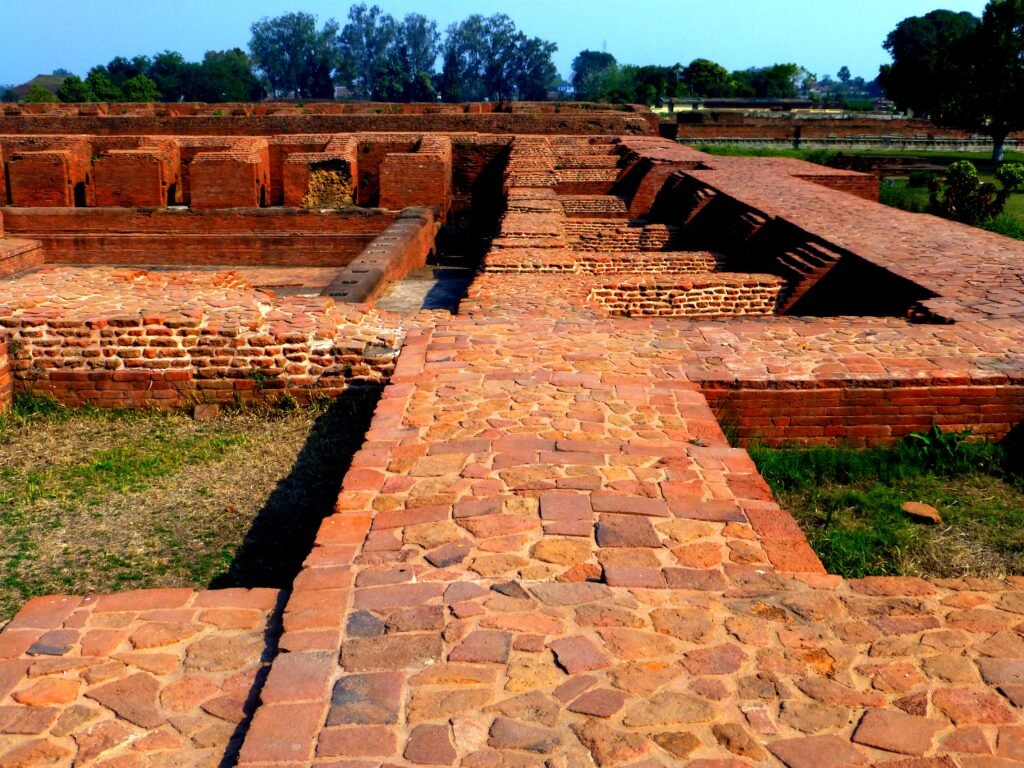
Today, Nalanda exists as an archaeological site, red brick ruins, quiet courtyards, the outlines of what were once towering halls. It’s recognized as a UNESCO World Heritage Site, and in recent years, a new Nalanda University has even been built nearby, a symbolic attempt to revive its spirit.
But standing among the ruins, or even just reading about them, brings up a question worth sitting with: how much of history is decided by what survives, and how much by what we choose to remember?
Nalanda reminds us that knowledge has always been fragile. It isn’t guaranteed to last just because it’s valuable. It survives because people choose to protect it, copy it, translate it, pass it on. When that chain breaks, through war, neglect, or simple time, entire ways of understanding the world can vanish, sometimes without anyone even realizing what was lost.
That’s what makes Nalanda’s story worth telling, again, all these centuries later. Not as a settled fact to memorize, but as a question to carry with us: what are we failing to protect right now, that some future version of us will wish we hadn’t lost?
This is the first piece in Forgotten Pages, a series on The Aiza exploring history that’s slipped out of everyday memory. If you have a piece of forgotten history you think deserves to be remembered, I’d love to hear about it.